Source Portable Modern Cleaning Caddy for Storage, Tools, and Home
Find 30 listings for a portable modern cleaning caddy designed for efficient storage and tool organization. Buyers can compare specifications, materials, and customization options to select the right unit for living rooms or workshops.
Key considerations
Products List


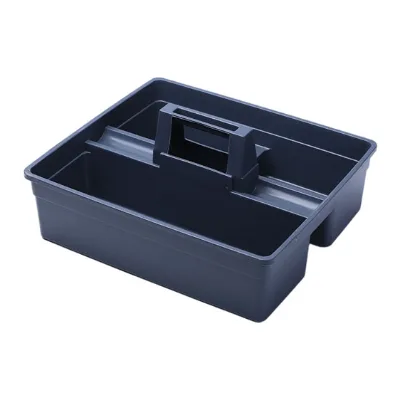


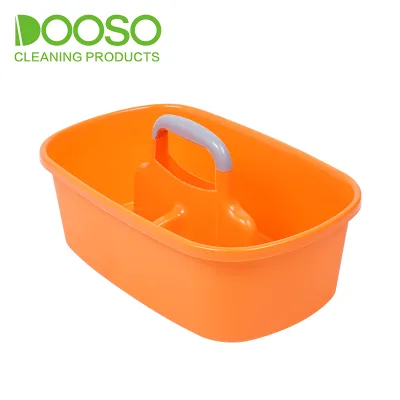
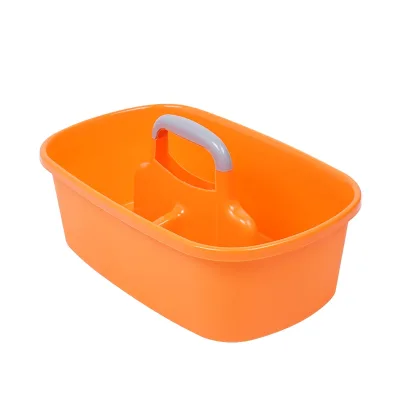


Comprehensive Sourcing Guide
Strategic Sourcing Guide for Portable Modern Cleaning Caddies
Understanding Product Specifications and Design Variations
When sourcing a portable modern cleaning caddy, the primary objective is to identify units that balance structural integrity with aesthetic versatility. Based on current market observations, the core product category encompasses items labeled variously as "Cleaning Caddy Plastic," "Tool Organizer," and "Storage Boxes & Bins." These items are predominantly manufactured using Polypropylene (PP) or general plastic materials, selected for their durability and resistance to moisture. A critical distinction in this category lies in the geometric configuration of the units. While some market listings specify a "Square" shape, others explicitly define the form factor as "Rectangular." This variance is not merely cosmetic; it dictates the internal volume and the specific utility of the caddy for different storage needs.
The physical dimensions of these units are a primary specification for procurement planning. Observed data indicates specific standard sizes, such as 38.7 x 27.5 x 18 cm and 38.5 x 33.5 x 17 cm. These measurements are crucial for logistics, as they determine the packing efficiency. For instance, a product with a standard size of 38.5 x 33.5 x 17 cm may have a corresponding packing size of 57 x 41 x 58.5 cm when grouped for shipment. Buyers must verify whether the listed dimensions refer to the single unit or the bulk carton, as discrepancies here can lead to significant miscalculations in container loading. Furthermore, the design style varies between "American Style" and "Modern" or "Simple" aesthetics. The "Modern" style often aligns with contemporary interior design trends, making these units suitable for living rooms or professional settings, whereas "American Style" might imply a more robust, utilitarian look.
The functional design of these caddies is typically multifunctional, serving as both a transport vehicle for cleaning supplies and a stationary storage solution. Features such as "Wheels" are frequently included to enhance portability, allowing the unit to be moved easily across various surfaces. The "Folded" attribute is noted as "Unfolded" in several listings, suggesting that some models may be rigid structures rather than collapsible units, which impacts the storage footprint when not in use. Understanding these specific attributes is essential before engaging with suppliers, as the "Product Name" alone (e.g., "Cleaning Tools" vs. "Plastic Caddy") may not fully describe the functional capabilities of the item.
Compliance, Certification, and Material Standards
In the B2B procurement of plastic storage and cleaning equipment, verifying material compliance and adherence to standards is paramount. The supplied product data highlights "Eco-Friendly" and "Sustainable" as key features for several items in this category. This suggests that manufacturers are increasingly utilizing recycled materials or adopting production methods that reduce environmental impact. However, buyers must treat these claims as observations rather than guaranteed certifications without third-party validation. When evaluating a supplier, it is necessary to request specific documentation regarding the "Eco-Friendly" status, such as material composition reports or sustainability certifications recognized in the target market.
The manufacturing techniques employed are another critical area of scrutiny. The "Injection" molding process is identified as a standard technical method for these products. This technique ensures high precision and consistency in the final product, which is vital for maintaining the structural integrity of the caddy, especially when it is loaded with heavy cleaning chemicals. Buyers should inquire about the quality control measures taken during the injection molding process to prevent defects such as warping or weak points in the handles and wheels.
Regarding standards, the data references specific dimensional standards, such as 38.7 x 27.5 x 18 cm and 385 x 275 x 110 mm. While these are presented as product standards, they serve as benchmarks for dimensional accuracy. In the absence of explicit international safety certifications (such as ISO or specific chemical resistance ratings) in the provided context, buyers must verify if the products meet the safety regulations of their destination country. This includes checking for compliance with chemical resistance standards, particularly if the caddy is intended to hold harsh cleaning agents. The "Open Mouth" design of some buckets and caddies also necessitates a review of spill containment features to ensure they meet workplace safety requirements.
Cost Drivers and Pricing Dynamics
The pricing landscape for portable modern cleaning caddies is characterized by a wide range, with observed values spanning from $1 to $2,592.86. This significant variance is not indicative of a single product line but rather reflects the diversity in order volumes, customization levels, and total shipment quantities. The Minimum Order Quantity (MOQ) is a primary driver of unit cost. Data indicates MOQs ranging from 1 unit to 3,000 units, with a specific high-confidence observation of an MOQ of 480 pieces for certain models.
For buyers, understanding the relationship between volume and price is essential. Lower MOQs, such as 1 piece, typically command a higher unit price due to the fixed costs of setup and logistics being amortized over a smaller quantity. Conversely, larger orders allow for better economies of scale. The packing configuration also influences cost. Some listings specify a packing of 20 pieces per carton, while others indicate 15 pieces per carton or 1 piece per carton. A higher density of units per carton reduces the shipping cost per unit, which is a significant factor in the total landed cost.
Additionally, customization options are available for these products. Customization generally incurs additional costs, which may include mold fees, design changes, or specific color requirements. The observed color options, such as "Grey/Black" or "Black," suggest that while standard colors are likely available at a lower cost, custom color matching may require a higher MOQ or a premium price. Buyers should request a detailed breakdown of costs, separating the base unit price from customization fees, tooling charges, and logistics expenses to accurately forecast the total procurement budget.
Typical Applications and Usage Scenarios
The versatility of the portable modern cleaning caddy makes it suitable for a broad spectrum of applications. The primary use case is clearly defined as "Tools" and "Storage," specifically for organizing cleaning supplies. The "Suit for: Living Room" attribute indicates that these units are designed to be aesthetically pleasing enough for residential use, blending functionality with home decor. However, their robust construction and multifunctional design also make them ideal for commercial and industrial settings.
In a commercial context, such as hotels, offices, or cleaning service companies, these caddies serve as mobile workstations. The inclusion of "Wheels" allows cleaning staff to transport brooms, mops, buckets, and chemical bottles efficiently from one area to another. The "Rectangular" and "Square" shapes provide ample space for organizing various items, ensuring that heavy bottles do not tip over and that smaller tools remain accessible. The "Simple" and "Modern" design styles ensure that the caddy does not look out of place in professional environments where a clean appearance is maintained.
Furthermore, the "Stocked" feature suggests that these items are often available for immediate shipment, which is beneficial for businesses with urgent restocking needs. The "Plastic Caddy" and "Cleaning Caddy" classifications highlight their role in maintaining hygiene and order. Whether used in a domestic setting for organizing a utility closet or in a facility for daily maintenance tasks, the caddy's ability to consolidate cleaning tools into a single, portable unit enhances operational efficiency. Buyers should consider the specific environment where the caddy will be used to determine the necessary durability and capacity requirements.
Supplier Evaluation and Geographic Considerations
When evaluating potential suppliers for portable modern cleaning caddies, geographic origin plays a significant role in logistics and supply chain reliability. The supplied data identifies production origins in "Guangdong, China" and "Shanghai, China." These regions are well-established manufacturing hubs for plastic products and household goods, offering access to a robust supply chain and specialized labor. Guangdong, in particular, is known for its extensive export capabilities and mature manufacturing ecosystem for plastic injection molding.
Suppliers in these regions typically have experience with international shipping and compliance with various export standards. However, buyers must verify the specific capabilities of each supplier beyond their location. Key evaluation criteria should include the supplier's production capacity, their ability to meet the specified MOQs, and their track record for on-time delivery. The "Packing" specifications, such as "Plastic Bags / Cartons" or specific carton dimensions (57 x 41 x 58.5 cm), should be confirmed to ensure they align with the buyer's shipping requirements.
It is also important to assess the supplier's responsiveness to customization requests. Since "Customization" is listed as an available attribute, suppliers should demonstrate flexibility in accommodating specific design or branding needs. Buyers should request samples to evaluate the quality of the "Injection" molding and the overall finish of the product. Additionally, checking the supplier's history with similar products, such as "Cleaning Tools" or "Storage Boxes & Bins," can provide insight into their expertise and reliability.
Quality Control and Long-Term Procurement Strategy
Ensuring consistent quality is a critical component of long-term procurement success. Given the "Injection" manufacturing technique, buyers should implement a rigorous quality control (QC) protocol. This includes inspecting the finished products for surface defects, ensuring the structural integrity of the wheels and handles, and verifying that the dimensions match the specified standards (e.g., 38.7 x 27.5 x 18 cm). The "Eco-Friendly" and "Sustainable" claims should be backed by material safety data sheets (MSDS) or third-party test reports to ensure the products are safe for intended use.
For long-term procurement, establishing a clear communication channel with the supplier is essential. Buyers should define clear expectations regarding lead times, packaging standards, and quality benchmarks. The "Packing" details, such as 20 pieces per carton or 15 pieces per carton, should be standardized to prevent damage during transit. Regular audits or third-party inspections may be necessary for large orders to ensure that the production output consistently meets the required specifications.
Furthermore, buyers should consider the lifecycle of the product. The "PP" material offers good durability, but exposure to extreme temperatures or harsh chemicals can degrade the plastic over time. Procurement strategies should include planning for replacement cycles and ensuring that the supplier can provide consistent replacements if the initial batch shows signs of premature wear. By focusing on these quality and logistical aspects, buyers can build a sustainable supply chain for portable modern cleaning caddies that meets both operational needs and quality standards.
Comparative Analysis of Product Attributes
To facilitate informed decision-making, the following table summarizes the key attributes observed in the current market for portable modern cleaning caddies. This comparison highlights the variations in dimensions, materials, and packaging that buyers must consider.
| Attribute | Observation 1 | Observation 2 | Observation 3 |
|---|---|---|---|
| Product Name | Cleaning Tools | Cleaning Caddy Plastic | Plastic Caddy |
| Shape | Square | Rectangular | Rectangular |
| Material | Plastic | PP | Plastic |
| Design Style | American Style | Modern | Simple |
| Standard Size | 38.7 x 27.5 x 18 cm | 38.5 x 33.5 x 17 cm | 385 x 275 x 110 mm |
| Packing Size | 57 x 41 x 58.5 cm | 57 x 41 x 58.5 cm | N/A |
| Packing Qty | 20 PCS/CTN | 15 PCS/CTN | 1PC/Carton |
| Origin | Guangdong, China | Shanghai, China | China |
| Key Features | Sustainable, Multifunction | Eco-Friendly, Stocked | Eco-Friendly |
| Included Components | Wheels | Wheels | N/A |
This table underscores the importance of verifying specific details before placing an order. While the core function remains consistent, the variations in dimensions and packaging can significantly impact logistics and storage planning. Buyers should use this comparative framework to align their procurement needs with the specific capabilities of potential suppliers.
FAQs
What materials are used for portable modern cleaning caddies?
These caddies are primarily manufactured using Polypropylene (PP) or general plastic materials. This selection ensures durability and resistance to moisture, making them suitable for holding various cleaning supplies in both residential and commercial environments.
Which shapes are available for these storage units?
The available geometric configurations include both Square and Rectangular shapes. This variance dictates the internal volume and specific utility, allowing buyers to select a form factor that best fits their specific storage needs and organizational requirements.
Can I find units with wheels for portability?
Yes, some models include wheels to enhance portability and allow easy movement across surfaces. These features transform the unit into a mobile workstation, enabling efficient transport of brooms, mops, and chemical bottles from one area to another.
How do dimensions affect packing and shipping?
Standard unit sizes like 38.7 x 27.5 x 18 cm influence the bulk packing efficiency. For instance, a specific model may have a packing size of 57 x 41 x 58.5 cm when grouped, which is crucial for calculating container loading and logistics costs.
What is the typical Minimum Order Quantity for these items?
Minimum Order Quantities vary significantly, ranging from 1 unit up to 3,000 units depending on the supplier. A specific high-confidence observation notes an MOQ of 480 pieces for certain models, while others may accommodate smaller initial orders.
Are customization options available for these caddies?
Customization is available for these products, allowing for specific design or branding needs. Buyers should expect that custom color matching or design changes may require a higher MOQ or incur additional costs compared to standard grey or black options.
Where are these plastic caddies typically manufactured?
Production origins are primarily located in Guangdong and Shanghai, China. These regions are established manufacturing hubs offering access to a robust supply chain and specialized labor for plastic injection molding and household goods export.